Our journey starts in the depths of the library, where consequently I am writing this. In some of the rooms, there is an old-fashioned physical wifi plug-in station, as shown in picture 1. This hard wire router is important for multiple reasons—it allows the internet to directly connect to a laptop, in theory making it faster. These were very helpful in the beginnings of the internet, like we read about this week. It also could possibly allow for something like a house phone to exist if needed; a phone connected to a system that is specific for one area or location. In the picture you can also see a cover for what I assume to be wires for the connection to travel through. The wires are above the wall here, but in most places I think now the wires travel within the wall.
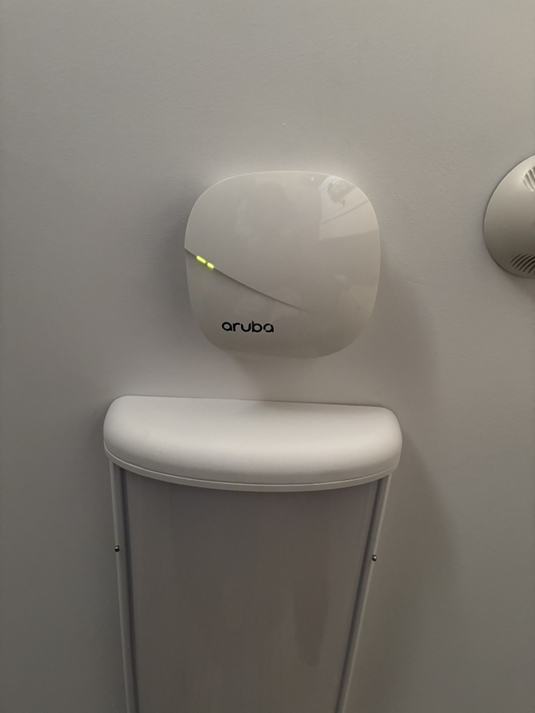
Now, a more helpful and prevalent tool for wifi connection is the router box for wireless internet connection, as seen in image 2. This one is in my dorm room and works well; I have never had internet problems in my dorm. I have, however, had internet problems elsewhere on campus.
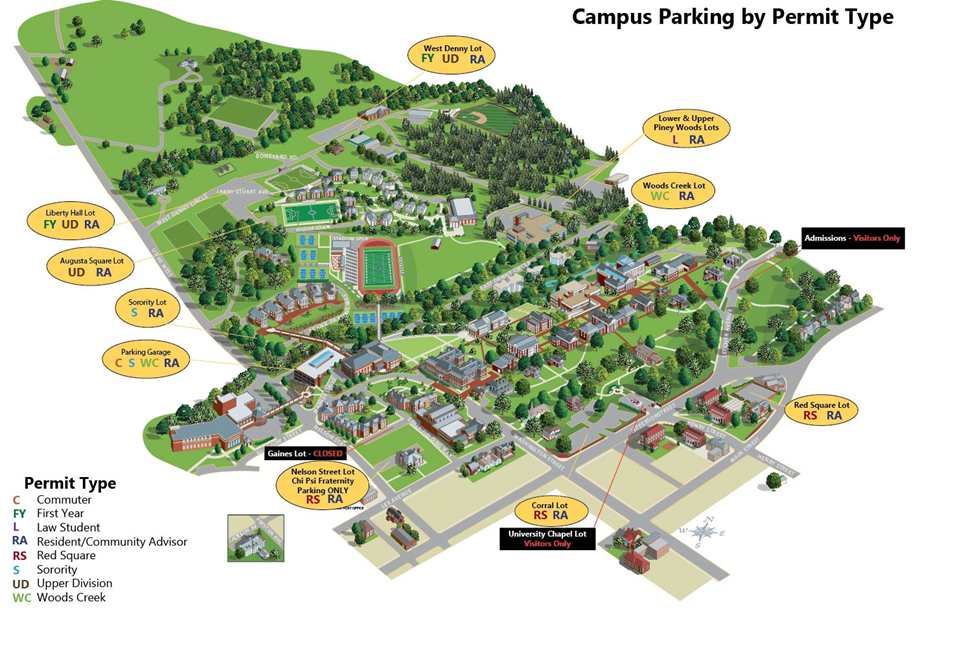
In buildings and classrooms connection is not ever an issue unless the wifi just completely goes out. Outside however is a different story. I have provided a map (Image 3) for this discussion. It is a parking map but illustrates the different bits of campus well. In general, the farther from an official campus building you are, the worse the wifi is. And it cuts out quickly! Even the coop porch doesn’t have internet in its far corners between commons and the library. Generally speaking, the parking lots and sports fields do not have wifi, and the places between buildings in the center of the map do, but not all of them. I believe it has a lot to do with the location and strength of the wifi in the nearest building.
In all, the wifi on campus is a big operation that is largely successful, and provides all the necessary connection for a seamless usage experience for students.
Image 1
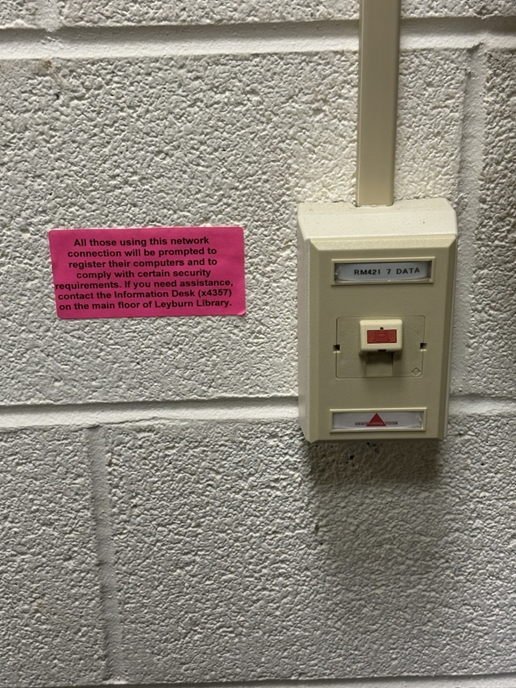
Image 2